01
Furniture Manufacturing
For fronts, carcass parts, shelves and furniture elements that must fit precisely into cutting, machining and further finishing.

A material with a smooth sanded surface for products where appearance matters as much as structural performance. It provides a precise base for painting, laminating, veneering and other decorative finishes.
What Is Sanded Plywood
Sanded plywood is a material with a smooth, uniformly finished surface that is ready for further decorative or production work. It is chosen for projects where a quality appearance, machining precision and minimal preparation before painting, laminating, veneering or applying other decorative coatings all matter.
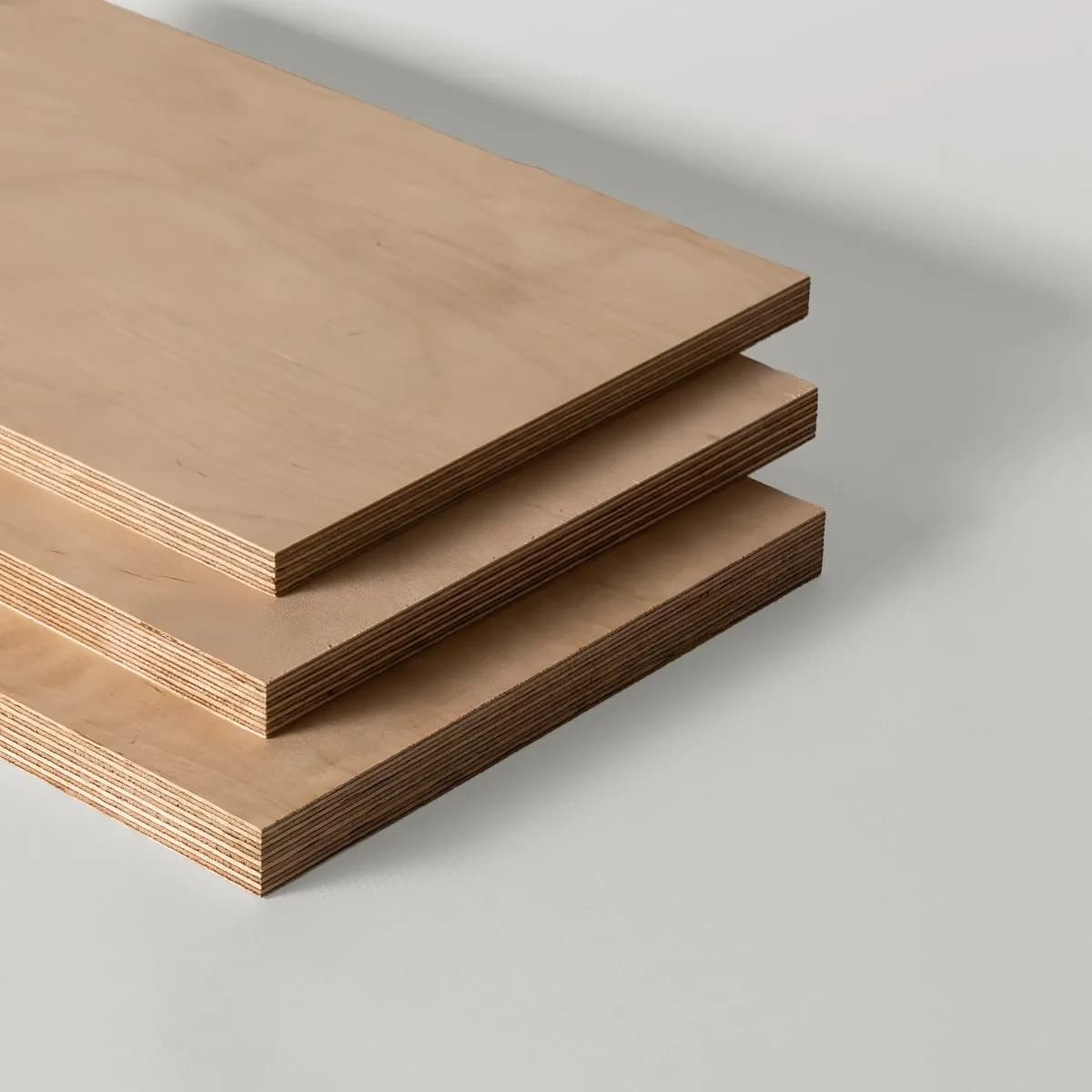
Compared with unsanded plywood it needs less additional processing, which helps shorten production operations and deliver a consistently high-quality result.
Consistent thickness simplifies cutting, routing, assembly and all further handling of the material in series production.
A sanded surface takes paint, lamination, veneer or other decorative layers better.
The material can move on to the next production stage sooner, with no extra rough sanding of the surface.
An even surface and a stable sheet structure help reduce the risk of defects during routing, edge-banding, pressing or finishing.
Thickness
9 mm
12 mm
15 mm
18 mm
21 mm
24 mm
27 mm
30 mm
40 mm
Grades
BB/CP
BB/C
CP/CP
CP/C
C/C
Plywood type
Sanded plywood
Wood species
Birch; other species to order
Sheet formats
1250 × 2500 mm; custom sizes on request
Surface type
Sanded
Bonding type
Moisture-resistant phenol-formaldehyde adhesive
Sheets per 1 m³
Depends on sheet format and thickness (1250 × 2500 mm: from 35 sheets at 9 mm down to 8 sheets at 40 mm)
Need other dimensions or a different specification?
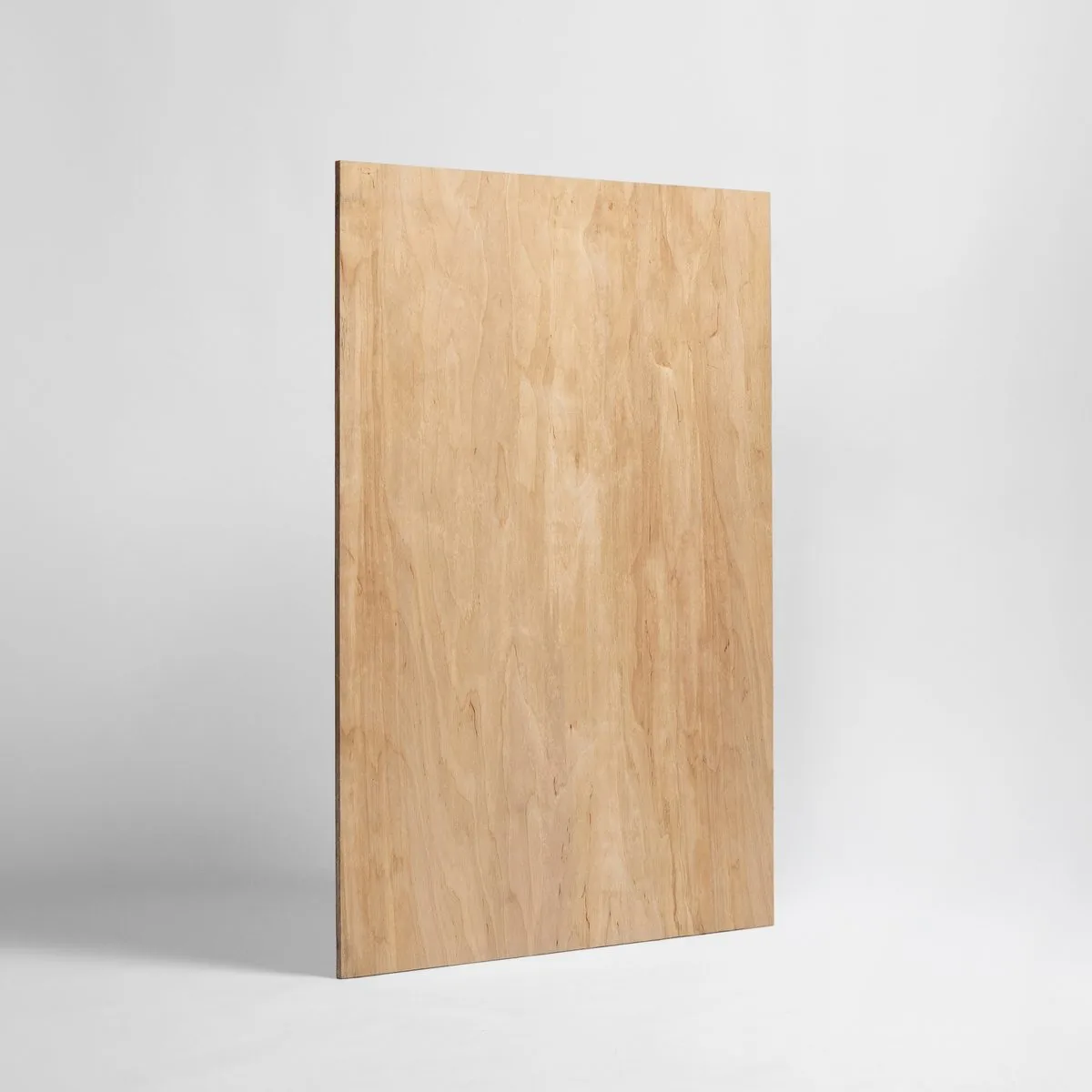
Birch Plywood
BB/CP
2500 x 1250 mm
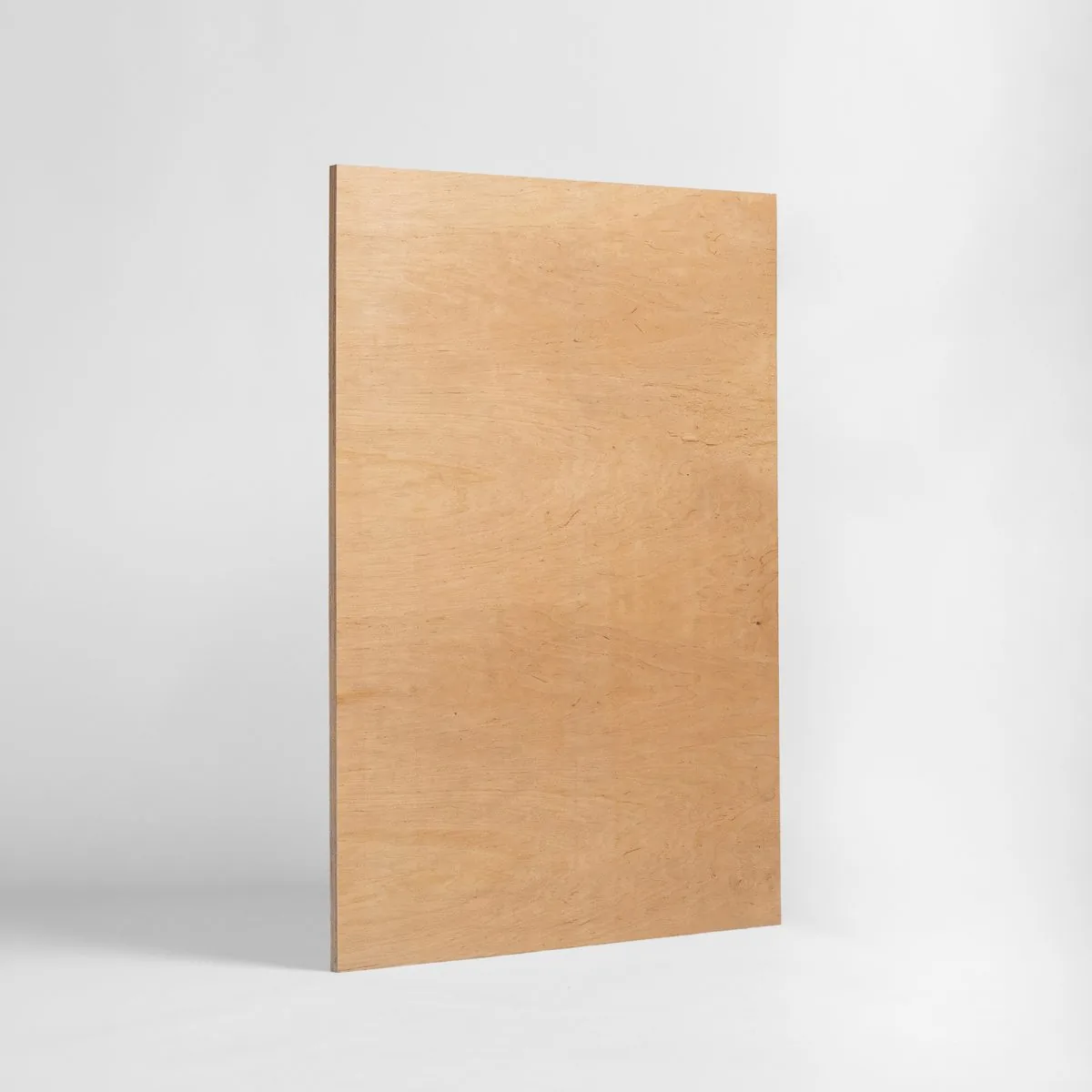
Birch Plywood
BB/C
2500 x 1250 mm
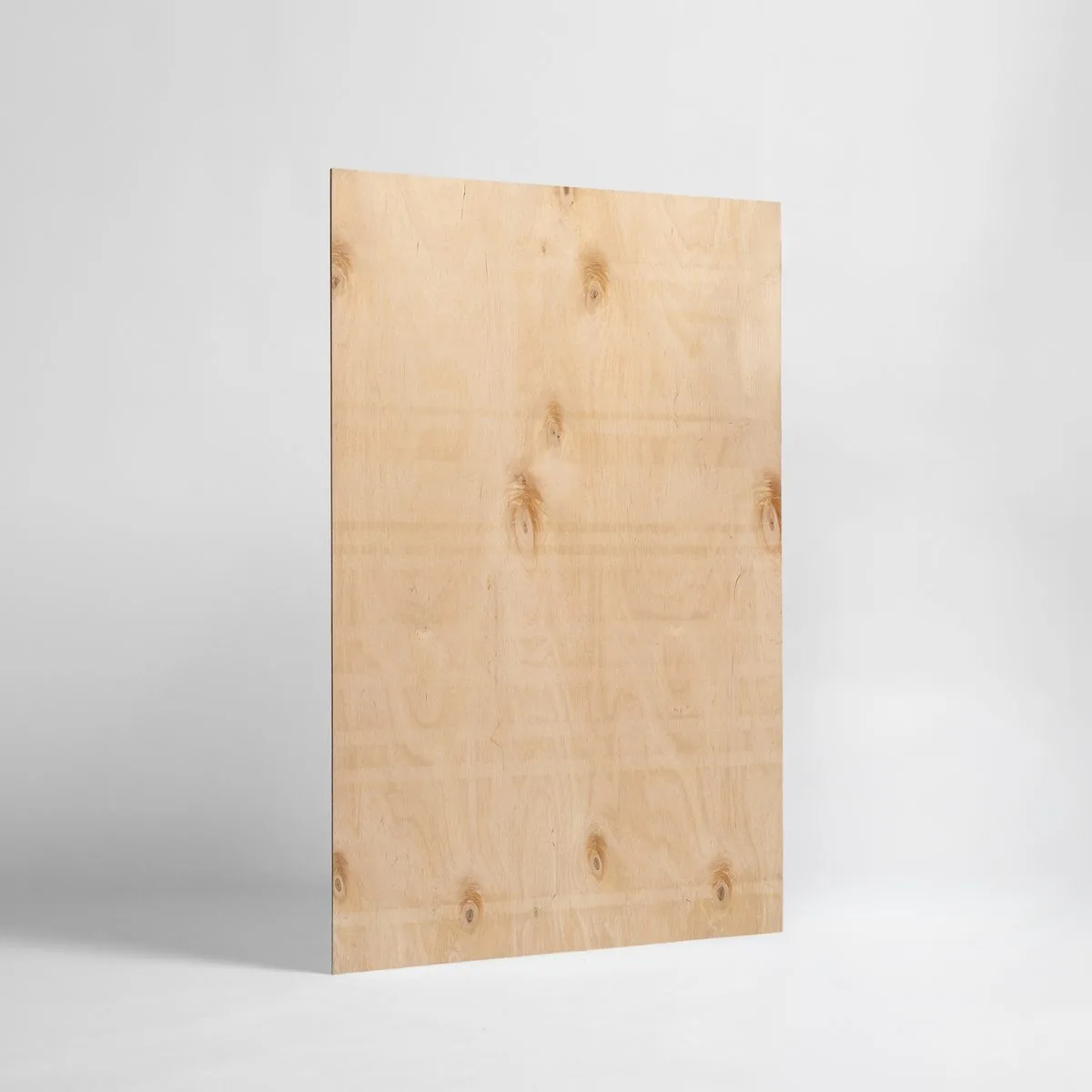
Birch Plywood
CP/CP
2500 x 1250 mm
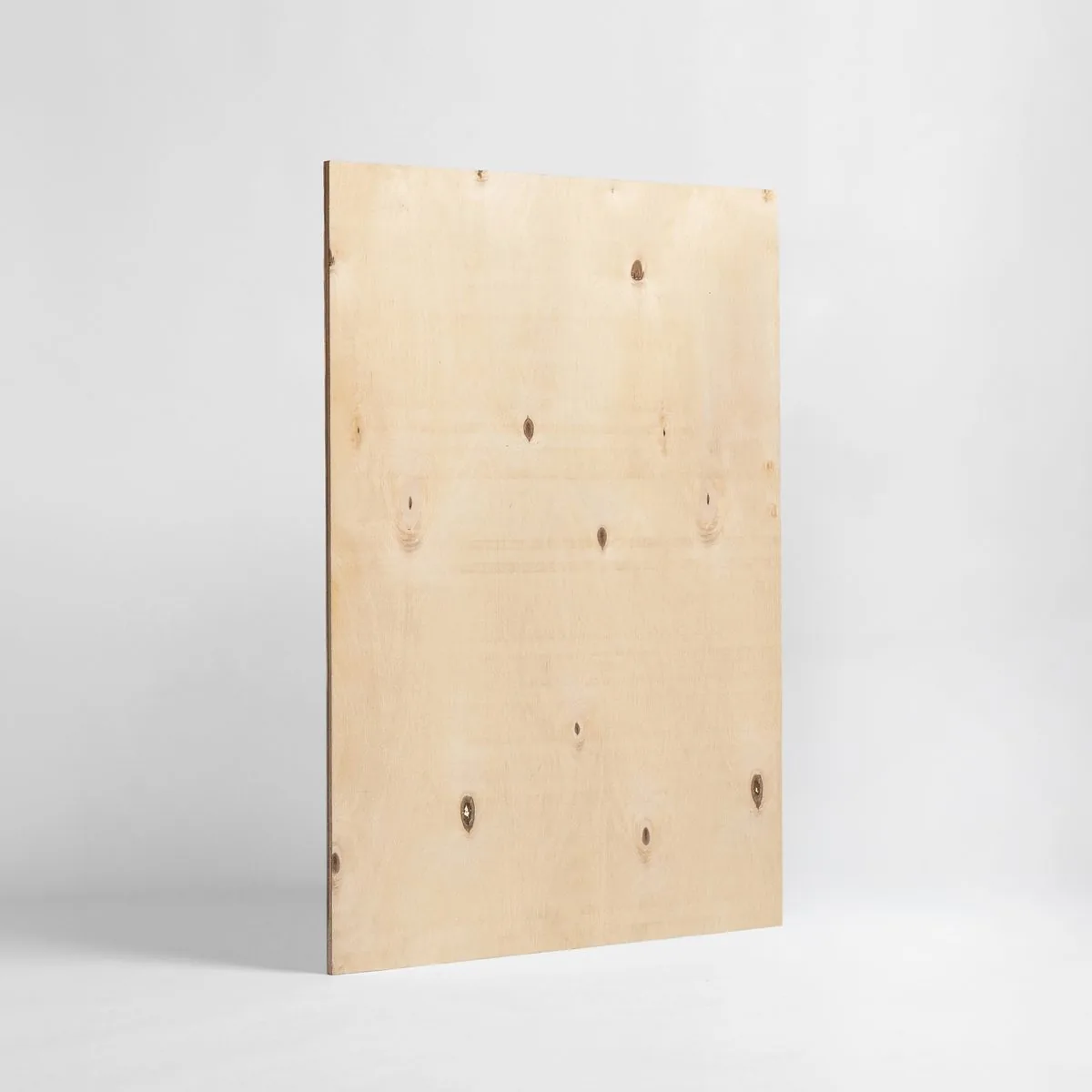
Birch Plywood
CP/C
2500 x 1250 mm
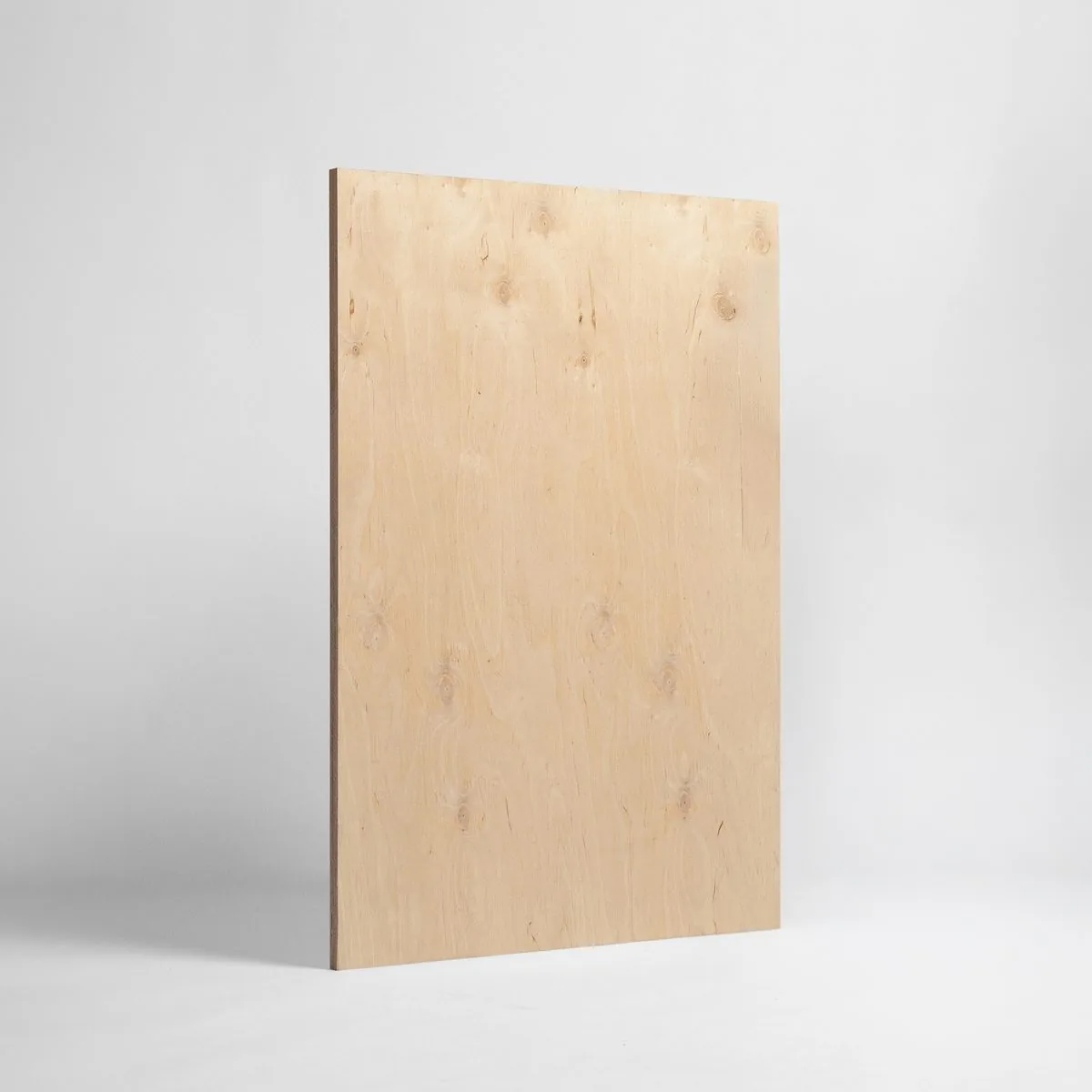
Birch Plywood
C/C
2500 x 1250 mm
Need sanded plywood to non-standard parameters? We will produce the material with the thickness, format, surface quality and other characteristics your project's technical requirements call for.
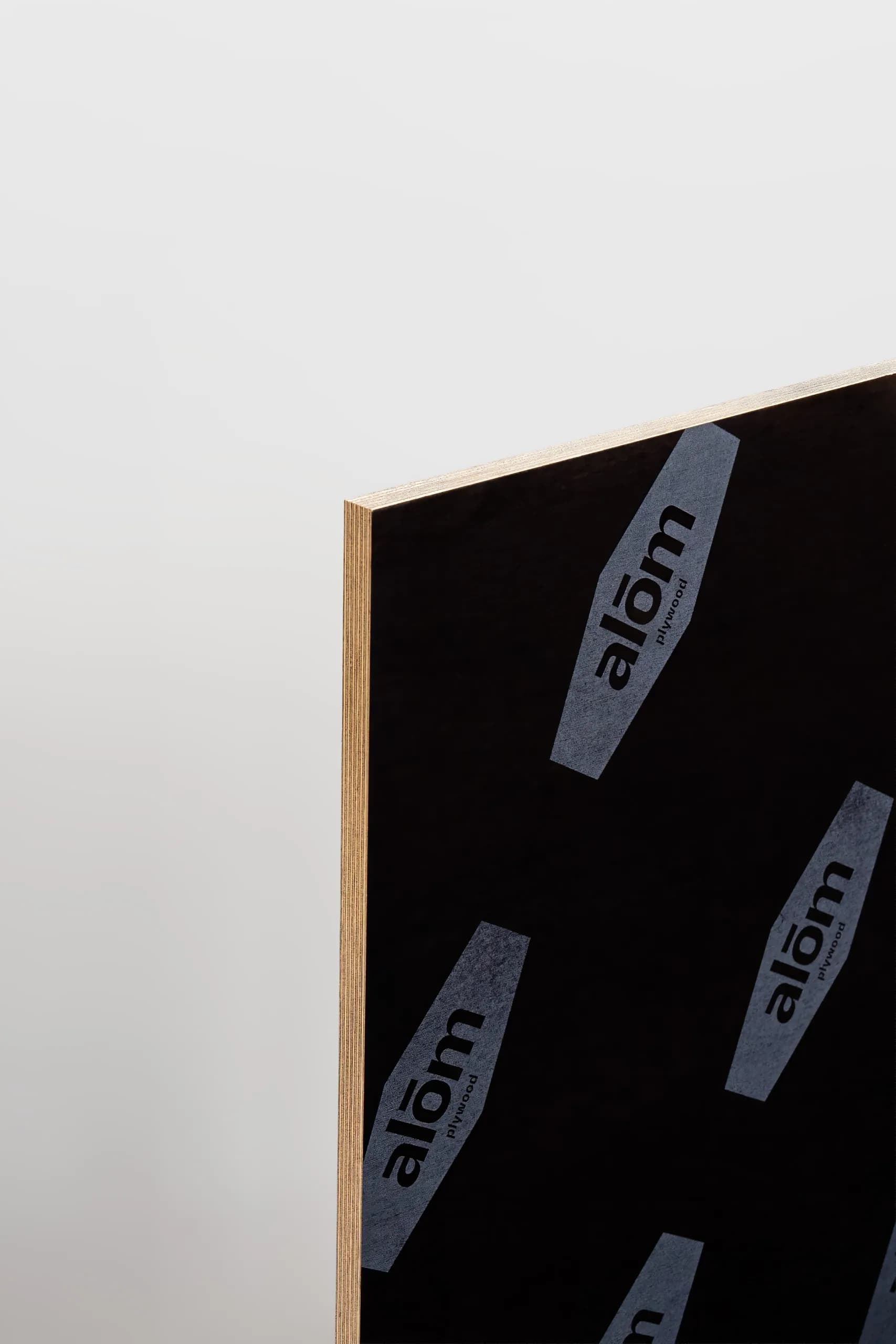
Thickness, format and surface quality — we adapt the plywood to your project's specification.
We cut sheets to the size you need, to streamline production and reduce the amount of waste.
We match the plywood's characteristics to the finishing method, the operating conditions and the technical requirements.
A technical specialist's consultation
Matching the plywood type and characteristics
Calculation of supply parameters
We will match plywood to your project's field of application, operating conditions and technical requirements. Get in touch and we will help you find the optimal solution, with a reply within 24 hours.
Sanded plywood has a flatter, smoother surface, which makes it a better fit for painting, laminating, veneering and visible parts. Unsanded plywood is used more often in technical or concealed structures, where surface quality is not the main requirement.
Yes. A sanded surface is better prepared for paint, varnish or a decorative coating. Before the finishing stage it is important to account for the grade of the plywood, its moisture content, the adhesive type and the requirements for its appearance.
It is used in furniture manufacturing, doors, interior panels, decorative elements and premium packaging, and as a base for lamination, veneering or painting.
The grade is chosen according to whether the surface will be visible. Facades, panels and decorative parts need a higher-quality face layer. For internal or concealed elements you can pick a more practical grade to suit the job and the budget.
If your project calls for higher moisture resistance, a film coating, construction use or other performance characteristics, take a look at ALOM's other plywood types.
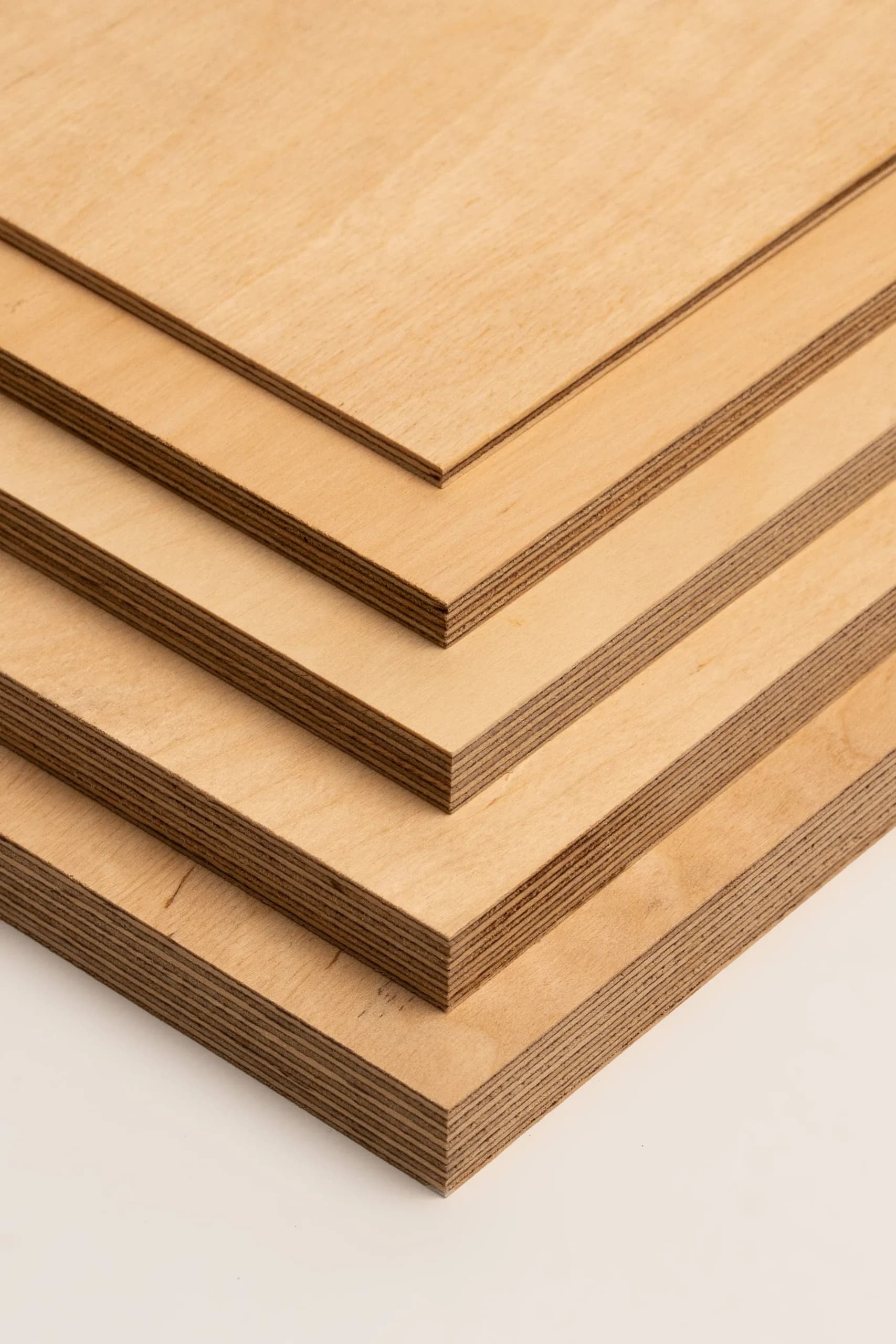
High strength and a dense structure. Compared with plywood made from other wood species, it delivers greater machining precision and a longer service life.
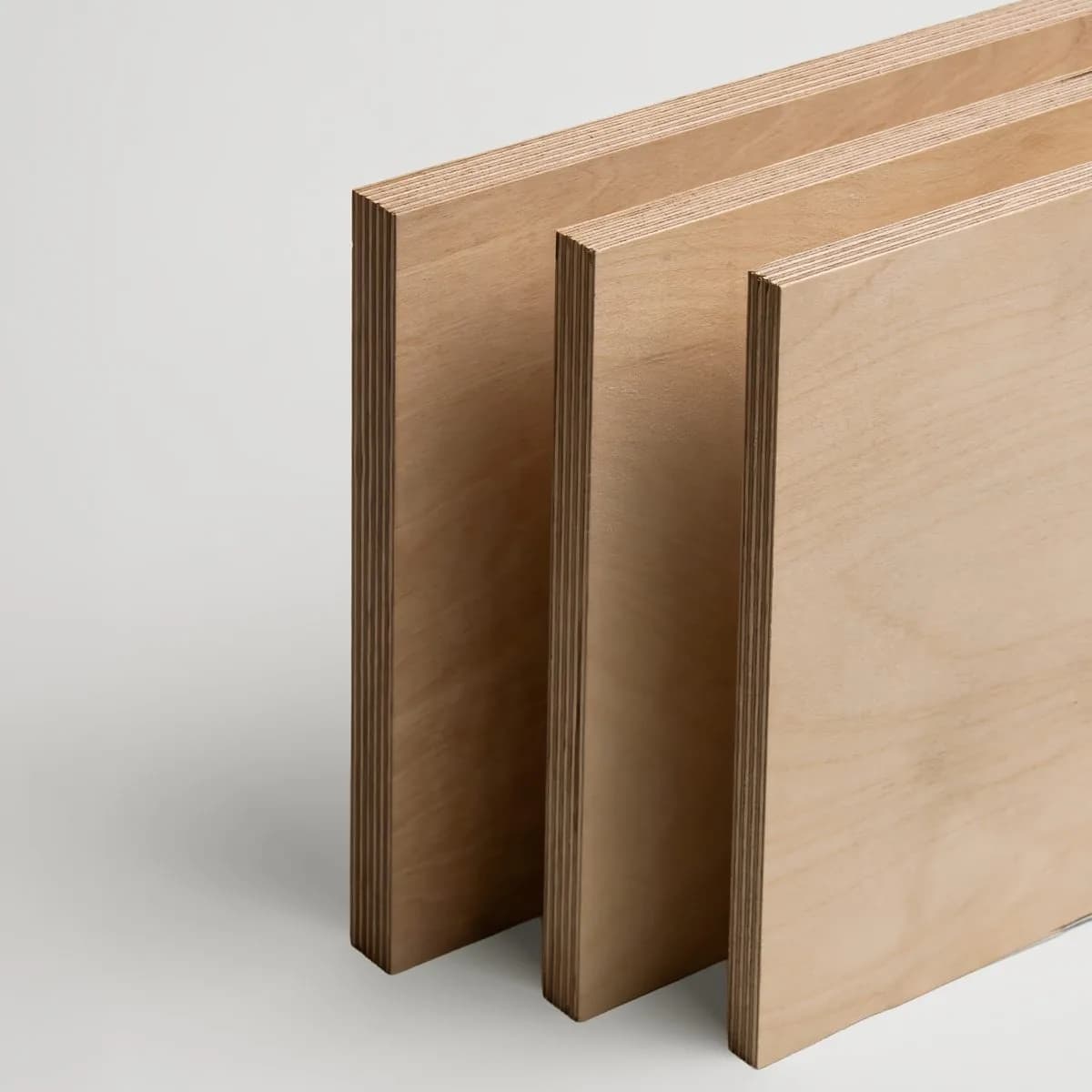
Plywood for construction, transport, packaging and industry, where higher moisture resistance and durability are required.
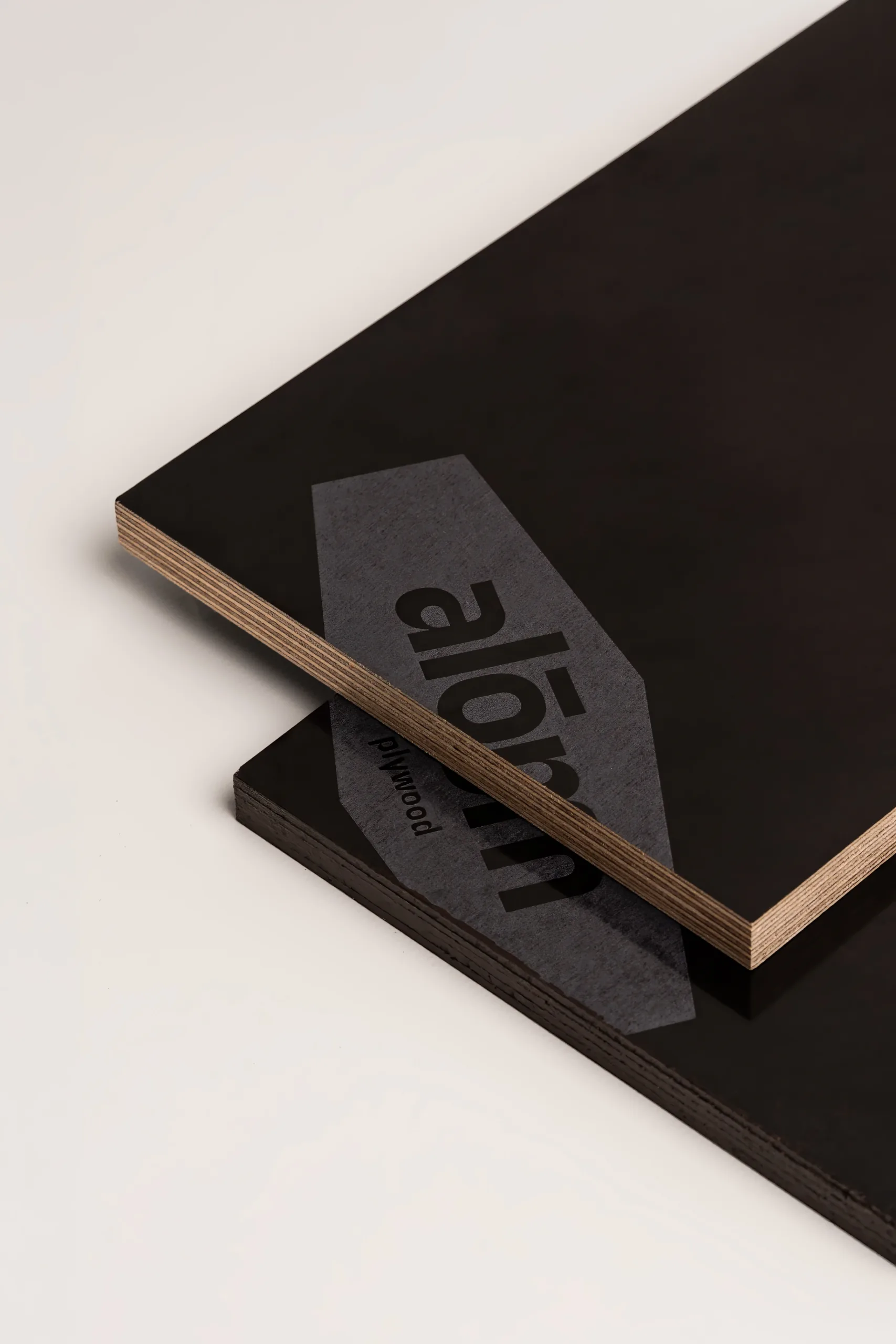
Film-coated plywood for formwork, transport, packaging and industry, where wear resistance and repeated use matter.
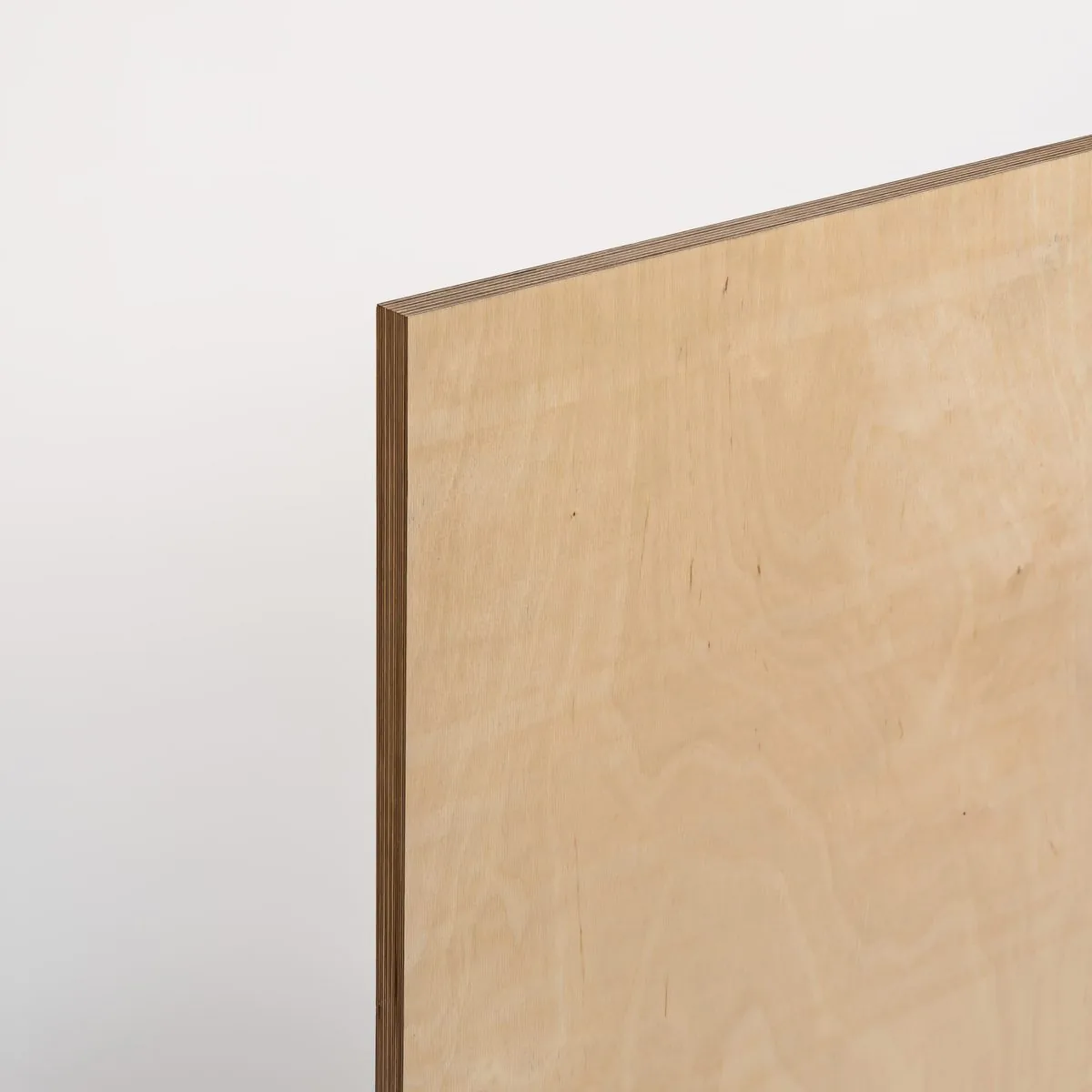
Practical made-to-order plywood for construction, packaging and technical tasks, where strength, functionality and cost efficiency matter.